Did you know that habitat improvement and environmental restoration can be as simple as weed removal? Most non-native
invasive plants (ie. weeds) have damaging effects to our systems even when they are not directly competing for space.
Removing them keeps soil, water, and native critters healthy and happy; and it prevents them from spreading far and wide via
wind, animals, and rhizomes.
You’ll also benefit from weed control. The sun (Vitamin D), exercise, and dirt on your hands (its microbes promote serotonin,
which relieves depression and anxiety) are great for your health; and it’s social-distancing-friendly.
Tis the season… Summer is the prime time to remove weeds.
- The rainy season won’t work if you will be disturbing large areas of dirt (that causes erosion).
- Weeds which require pesticide will respond to it best when they are actively growing.
- Flowering annual weeds will often be controlled well simply by cutting off flower heads before they bloom.
So let’s nip some weeds in their buds…
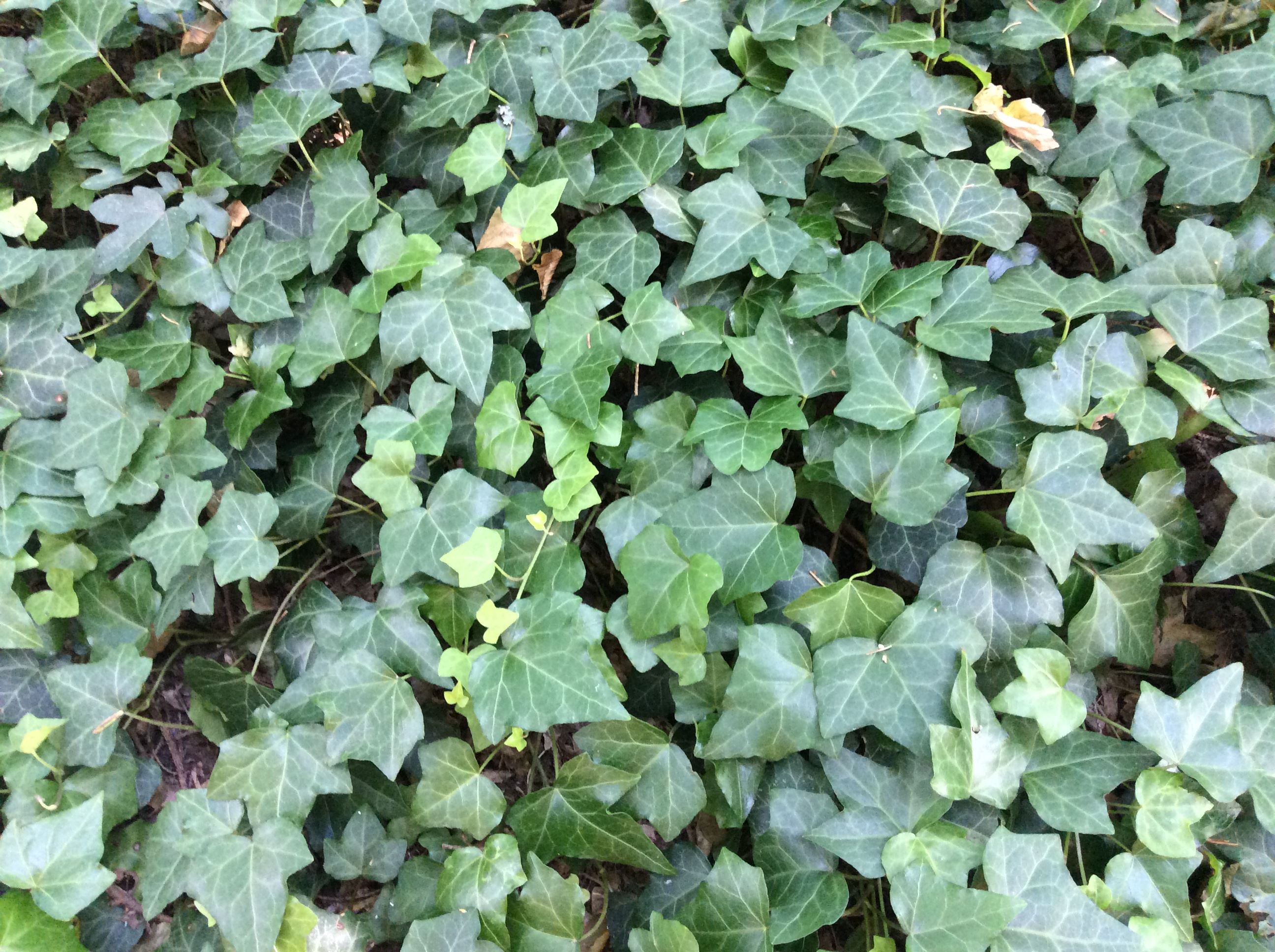 Ivy species:
 Hand pull the shoots and roots of this one for best results. If ivy is growing up
any trees, cut (or saw) the ivy at chest height – you can leave the ivy above that level, but
try to clear everything below within at least five feet of the trunk. Morning glory, yellow
archangel, and several other viny weeds are treated similarly – some have more intricate and
fragile roots though, so try to get as much as possible from that under-ground network.
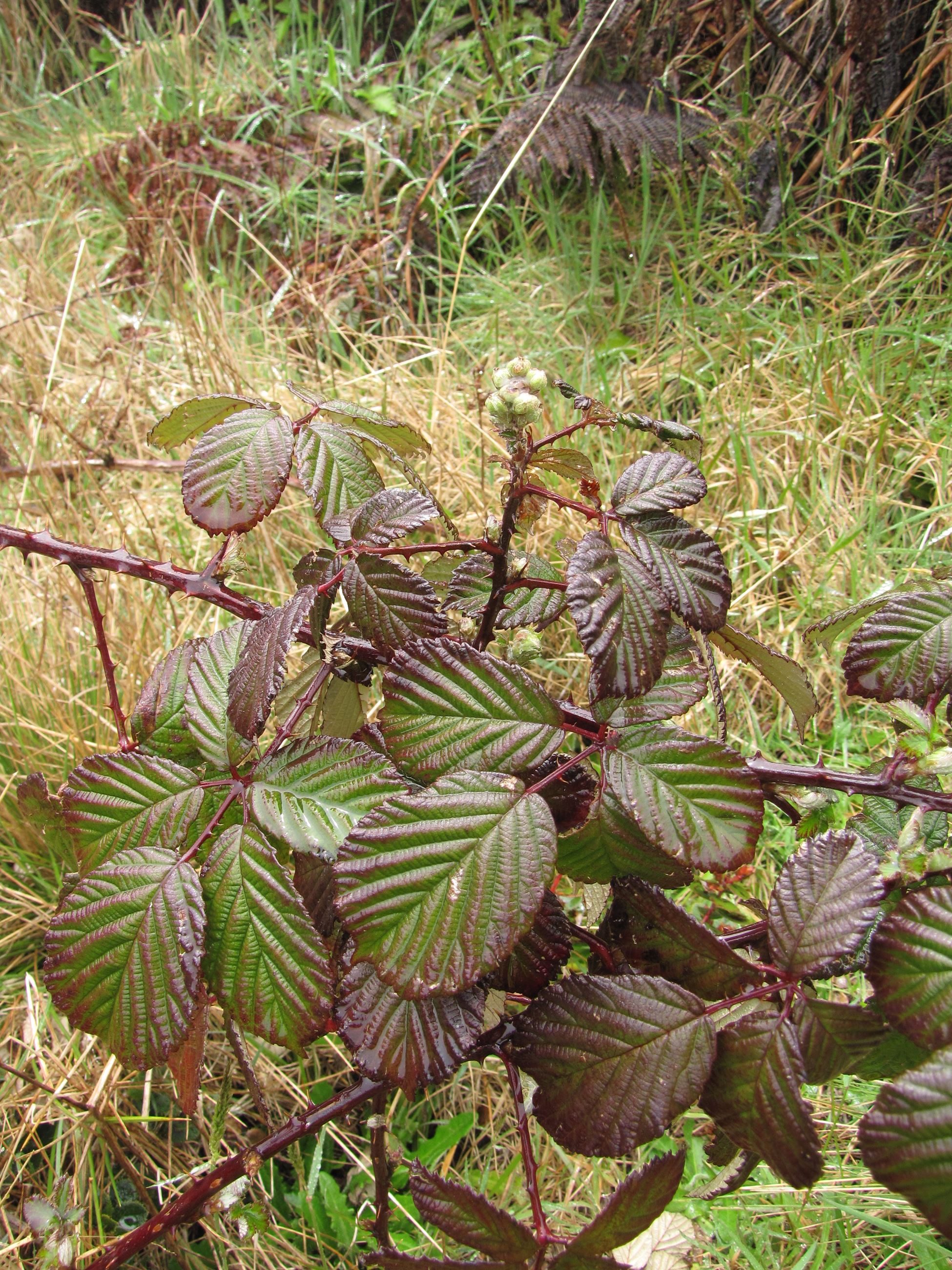 Invasive blackberries (Himalayan blackberry & cut-leaf blackberry):
 Cutting blackberry
canes won’t get you very far without follow-up work, unfortunately. If you can, cut the canes
away until you can access the stem and surrounding ground. Now start digging – shovels
work well, and pulaskis and pick-mattocks are even better tools for the job. Once you find
and remove the “root ball” of each plant, you’ll fare much better in this battle.
Invasive trees like English holly, laurels, butterfly bush, bird cherry, English hawthorn, and
European ash: As with blackberries, cutting will only encourage growth and make matters
worse unless you follow-up with some specific actions. Except in very young trees, root
removal is exceedingly difficult. After cutting all shoots as flatly and closely to the ground as
possible, paint some herbicide* onto the freshly cut shoots.
*Read your herbicide label fully and carefully – make sure that your species in listed on it for
this type of control, and follow all directions carefully.
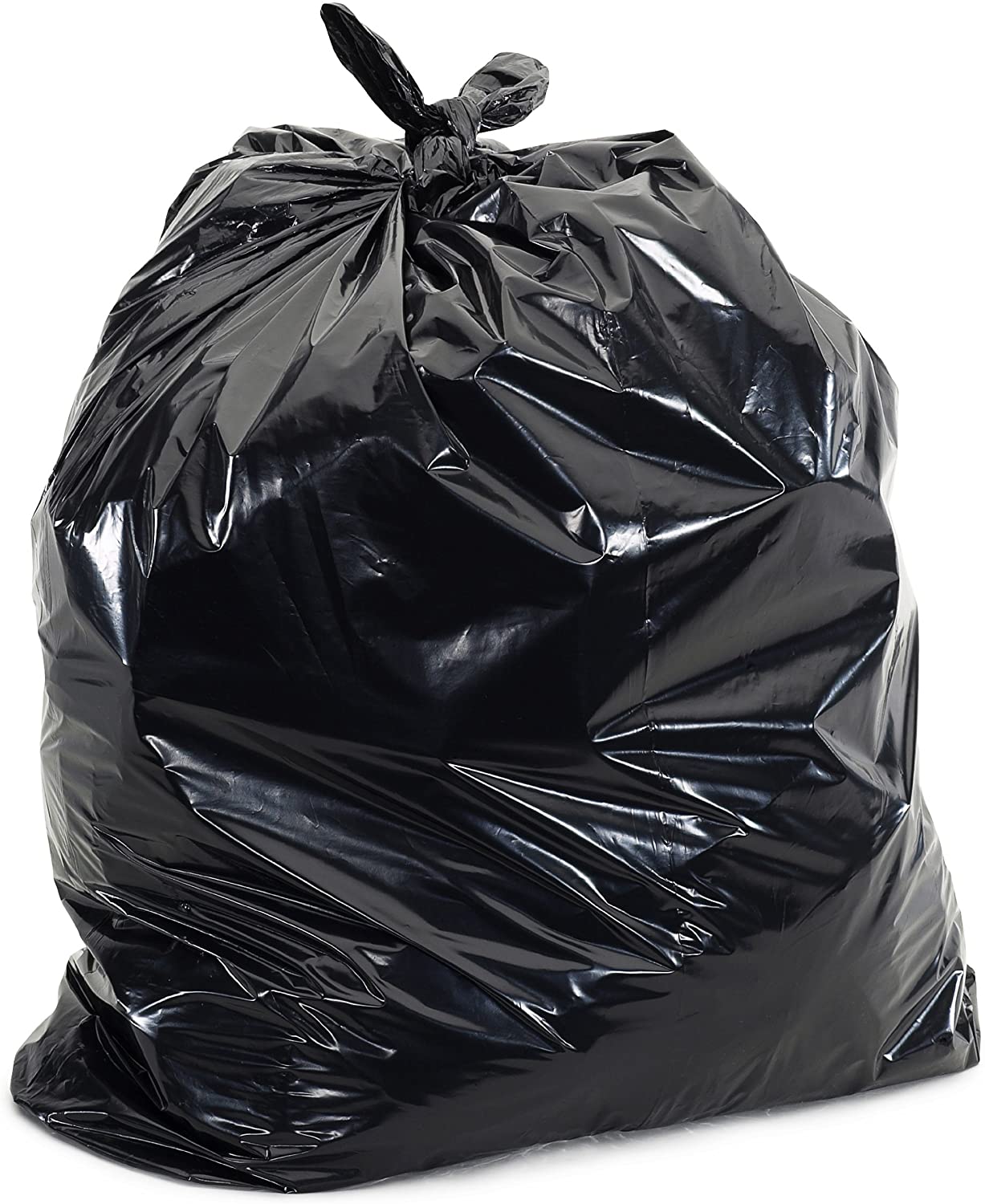 And don’t forget proper disposal!
 Many a cautionary tale tells us the dangers of basking in
victory prematurely - this is where proper disposal comes into play. Piled or spread weed
matter will easily reinfest areas, and if thrown in the yard waste bin or compost, they will
infest wherever that compost is ultimately delivered and spread. Many seeds are viable
for over 100 years! Any plants with flowers or seeds attached must be bagged and put in
the garbage. For plants without flowers or seeds, it is still important to properly dispose of
their shoots and roots, which can remain viable for weeks or months. It’s best to intensively
dry out the plant material (for a week or more) on concrete or tarps before putting in the
compost or yard waste bin. No need to worry about tree branches more than a half inch in
diameter though.
Want to learn more about invasive weeds and how to control them?
Visit our friends at Washington State Noxious Weed Control Board at
www.nwcb.wa.gov