On October 19th, residents from across Pierce County came together to care for and celebrate Southern Resident Orcas at local salmon habitat restoration sites like DeCoursey Beach, South Prairie Creek Preserve, Bradley Lake Park, Titlow Beach, the Tahoma Salt Marsh, and a depave site in Tacoma.
What is Orca Recovery Day?
Orca Recovery Day is a regional day of action that came from the passion of Puget Sound Conservation Districts.
In 2018, Southern Resident Orca Tahlequah carried her dead calf for 17 days across 1,000 miles of the Pacific Northwest Coast. This image of grief inspired Conservation District staff to take action. Every year since that journey of grief, Puget Sound Conservation Districts across the Puget Sound have hosted restoration work parties for salmon habitat.
A strong majority of the Southern Resident Orca diet consists of Chinook salmon, which are endangered. Focusing on salmon habitat is how we help orcas on Orca Recovery Day, regardless of whether we are seaside or inland.
Pierce County Cares About Orcas!
Nearly 100 volunteers attended an Orca Recovery Day event in Pierce County, over 50 of which were at one of Pierce Conservation District’s sites. Across all sites, we installed hundreds of native plants, and removed almost a half acre of invasive plants.
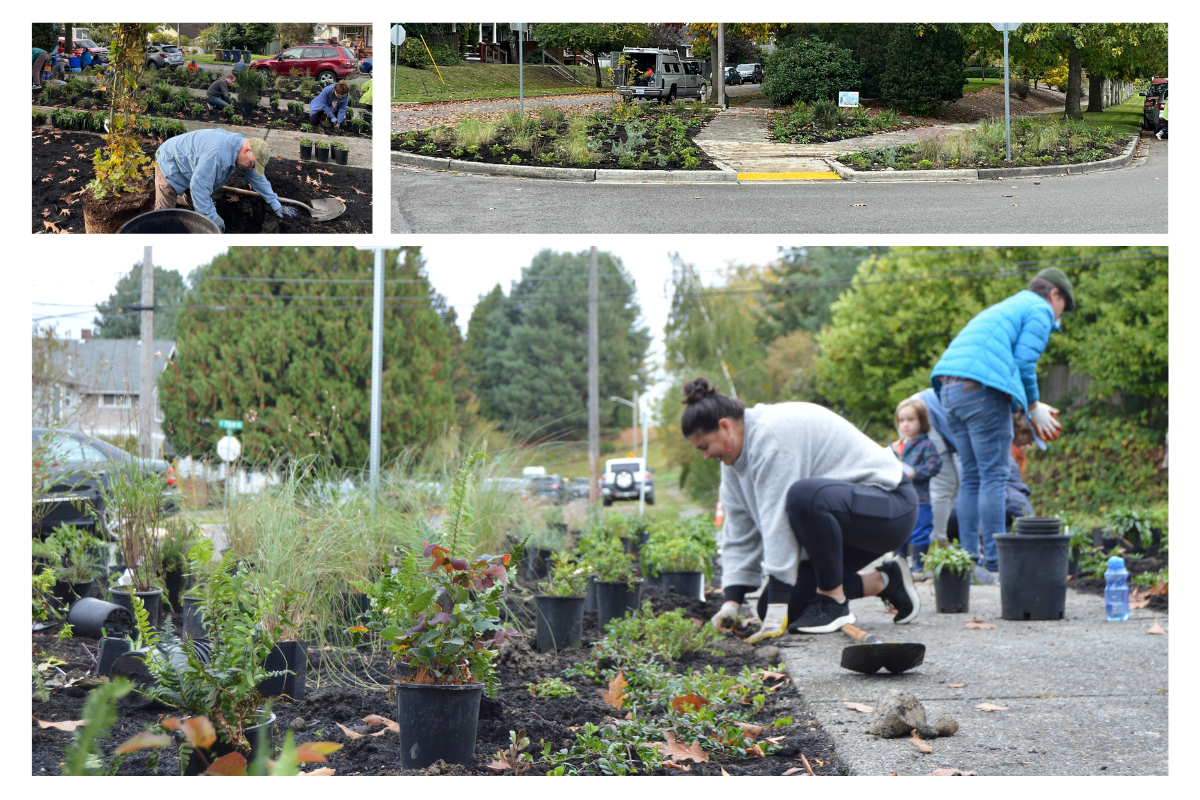
Tacoma Hilltop neighbors came together over a shared love of creating more green space.
Peck Property - Decoursey Park
Peck Property is located directly by a salmon bearing stream that runs through Puyallup called Clark's Creek. This was the site's first year being included in Orca Recovery Day. 26 volunteers came to plant native plants, enjoy light breakfast refreshments and snacks, and paint a salmon art piece that will be auctioned later this year to benefit Envirothon students. By the end of the three hours, over 60 plants were installed at Peck property.
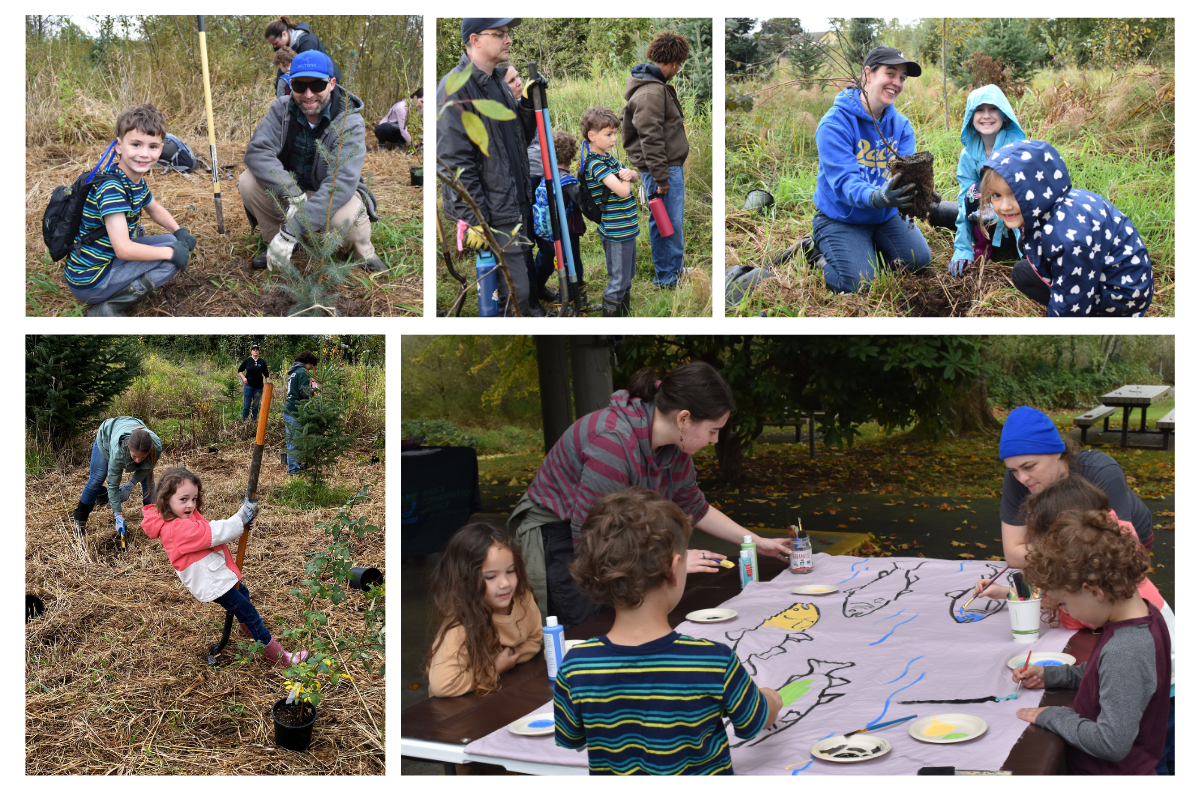
DeCoursey Park offered some family fun with planting, a salmon art project, and a nearby playground.
South Prairie Creek Preserve
South Prairie Creek Preserve is a natural space in South Prairie, near Orting. It is a gorgeous glimpse into nature, featuring multiple salmon bearing streams, log jams, and wildlife like foxes, coyotes, black bears, and plenty of birds. Some volunteers showed up an hour before Orca Recovery Day started to join Riparian Stewardship Program Manager and massive bird enthusiast Glenn Johnson for a bird walk. Then over the course of three hours, 30 volunteers installed over 300 native plants at South Prairie Creek Preserve. Some volunteers successfully spotted some salmon in the stream!
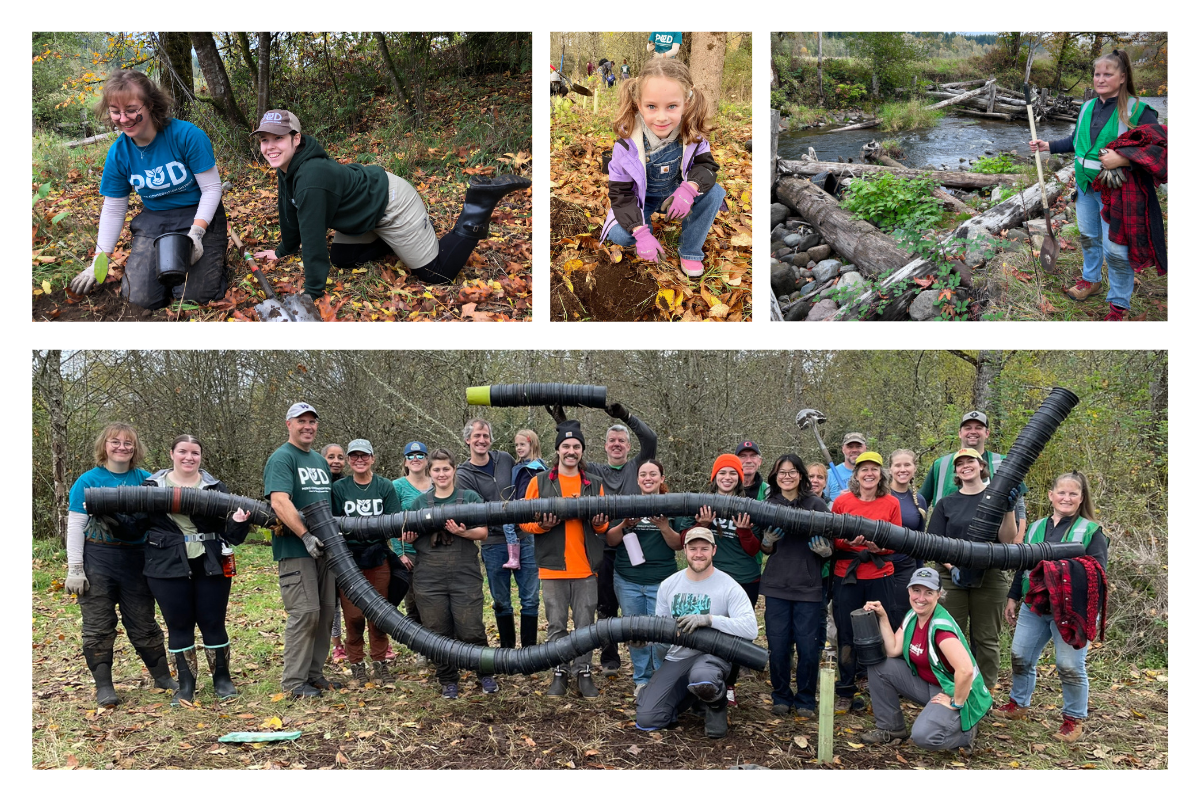
These volunteers and PCD staff had a blast at South Prairie Creek preserve. The three hours of hard work and fun even created a couple of pot snakes!
Bradley Lake Park
Bradley Lake Park is a former peat bog in Puyallup. After many years of restoration work, it now has an increasingly large mosaic buffer of trees surrounding a lake that fish call home. A superstar volunteer showed up to help out at Bradley Lake Park. Michelle helped our two habitat stewards clear some invasive plants from a total of 9,000 acres of space, which is a little larger than a baseball field's total area.
Partner Events at Tahoma Salt Marsh and Titlow Park
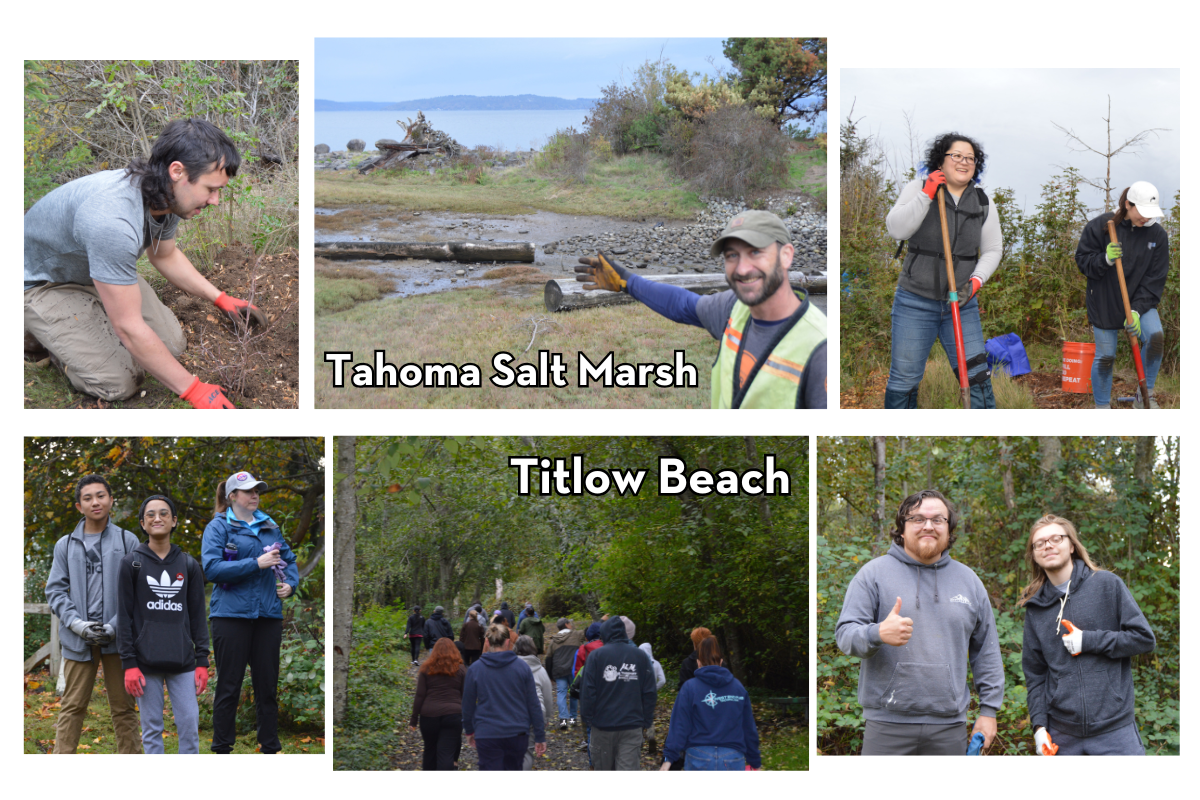
We weren't the only ones rolling up our sleeves for orcas! EarthCorps and Metro Parks Tacoma also held restoration events at Tahoma Salt Marsh and Titlow Park. It was incredible to see volunteers working all the way from the waters of Puget Sound to the intertidal areas, breathing life into areas that salmon use to rest and relax before venturing out to the ocean. Volunteers planted native plants and removed invasive blackberry, which improves water quality and nearshore habitat.
How Our Salmon Habitat Restoration Helps Orcas
Helping orcas can start right at local parks, your yard, or shared community spaces.
Planting native plants is an excellent way that we indirectly help orcas, on October 19th and throughout the year ! When you plant native plants at home or in a community space, those plants help filter harmful chemicals from our stormwater runoff before it reaches salmon habitat. Our depave events remove impermeable surfaces such as asphalt and concrete, making way for more soil and plant filled green space!
If you plant native plants closer to salmon habitat, their branches can provide shady cover for a cooler stream and their roots sometimes jut into the stream, providing a habitat refuge for younger salmon.
Here in Pierce County, we have many salmon bearing streams that we should be thoughtful stewards for. The best way to care for orcas and salmon is to start at a local level. The actions we take right here at the South Sound add up to indirectly help orcas.
How to Help Orcas Year-Round
You don’t need a beach to make waves for Southern Resident Orcas! From sea to stream, there are plenty of ways that you can help orcas right in your backyard.
Here are 3 tips for how to help Southern Resident Orcas:
1. Take care of your car tires. Rotate and Inflate your Car Tires, keep your Car Tuned, wash your car at the Car Wash instead of your driveway. This reduces tire tread or other toxic chemical car leaks that enter our storm drains or stormwater runoff and eventually the Puget Sound.
2. Plant native plants in your garden, yard, or by curbs and streams. Native plants are great natural filtration for streamside habitats. They’ll help keep harmful pollutants out.
3. Pick up and properly dispose of your dog’s poop. Your dog’s poop can contain bacteria that shouldn’t enter salmon streams. If it reaches the stream, the process as it breaks down can add excess nutrients into the water, causing algae blooms.
For more information about Orca Recovery Day and more ways to help orcas, visit betterground.org!